How Technological Advancements are Transforming the Real Estate Industry: Insights and Predictions from a Realtor
How AI, Blockchain, and Smart Technology Are Revolutionizing the Real Estate Industry

Prefer listening over reading? Here’s a podcast audio based on this post - Press play to dive in! 🎧
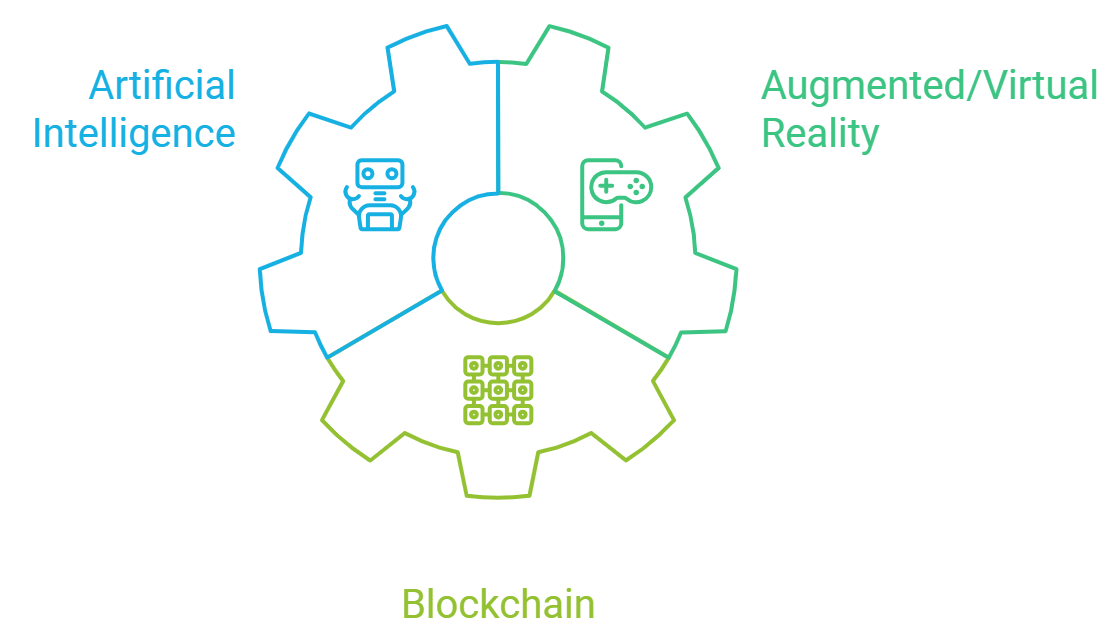
The real estate industry is undergoing a seismic shift, driven by the adoption of cutting-edge technologies. Tools like artificial intelligence (AI), augmented reality (AR), and blockchain are not just enhancing processes but reshaping the way homes are bought, sold, and managed. As a realtor, I’ve had a front-row seat to these changes and can see where the industry is heading. Let’s dive into how these advancements are impacting real estate today and explore what the future holds.
Current Trends in Real Estate Technology
1. Virtual Tours and Augmented Reality: The New Standard
Virtual tours and augmented reality tools have become indispensable, especially in markets with many out-of-state buyers. These technologies offer clients the ability to explore homes remotely, providing convenience and access like never before.
Virtual Tours allow buyers to “walk through” properties online, helping them narrow down choices before scheduling in-person visits—or even make offers sight unseen.
Augmented Reality (AR) takes it a step further by enabling buyers to visualize renovations or see a property with their preferred furniture or finishes.
From My Perspective: Virtual tours have become a staple in my market, especially for buyers relocating from out of state. Augmented reality is a fantastic tool for helping buyers see the potential in a home that might not initially meet all their criteria.
2. Smart Home Technology: Convenience Meets Innovation
Smart home devices are becoming the norm rather than the exception, with features like:
Smart Garage Door Openers connected to Wi-Fi, allowing for remote access and secure package deliveries.
Bluetooth-Enabled Appliances and Thermostats that can be controlled via smartphone apps, offering convenience and energy savings.
From My Perspective: Buyers are drawn to properties with these features because they simplify daily life and often come with energy efficiency benefits. Sellers who invest in these upgrades can expect faster sales and competitive offers.
3. Blockchain: Revolutionizing Real Estate Transactions
Blockchain technology is emerging as a transformative force in real estate. It’s poised to make property transactions more secure, efficient, and transparent by addressing long-standing challenges such as fraud and inefficiency.
Immutable Records: Blockchain creates tamper-proof records of property ownership and transactions, eliminating the risk of title fraud.
Streamlined Title Transfers: Smart contracts can automate processes like escrow and title transfers, reducing the time and costs associated with traditional methods.
Tokenization and Fractional Ownership: Blockchain enables properties to be divided into digital tokens, allowing for fractional ownership. This opens up opportunities for investors to own shares in high-value real estate without purchasing an entire property.
From My Perspective: While blockchain is still in its early stages within real estate, its potential is immense. I anticipate it will become a cornerstone of how titles are managed and ownership is transferred, especially for high-value properties or commercial real estate.
Predictions for the Future of Real Estate Technology
1. Virtual and AR-Powered Transactions
Virtual tours and AR will become increasingly sophisticated, offering fully interactive and immersive experiences. Buyers will soon be able to customize virtual showings to match their preferences and visualize changes in real time, such as paint colors or flooring options.
2. Blockchain-Powered Real Estate Marketplaces
Blockchain’s role in real estate will expand beyond title management to include:
Fully Transparent Transactions: Buyers and sellers will have access to secure, real-time transaction records.
Accessible Investments: Tokenization will make real estate investing more inclusive by allowing individuals to buy shares of properties. This could revolutionize how people invest in and profit from real estate.
3. Smart Neighborhoods?
The integration of IoT will extend beyond individual homes into entire communities. Imagine neighborhoods with shared renewable energy systems, smart traffic controls, and app-enabled communal spaces. These innovations will enhance convenience and sustainability.
Why These Trends Matter
These technological advancements are more than just tools—they are reshaping the entire real estate landscape. For buyers, these changes mean greater convenience, transparency, and access to opportunities. For sellers, they offer enhanced marketing and faster sales. And for realtors like me, they represent a chance to elevate the level of service we provide.
The real estate industry has always been about connecting people with places. As technology continues to evolve, those connections will become more seamless, immersive, and inclusive. By embracing these advancements, we can meet the needs of a rapidly changing market and create new opportunities for everyone involved.
What are your thoughts on these emerging trends? Have you encountered any of these technologies in your own real estate journey? Let me know in the comments—I’d love to hear from you!